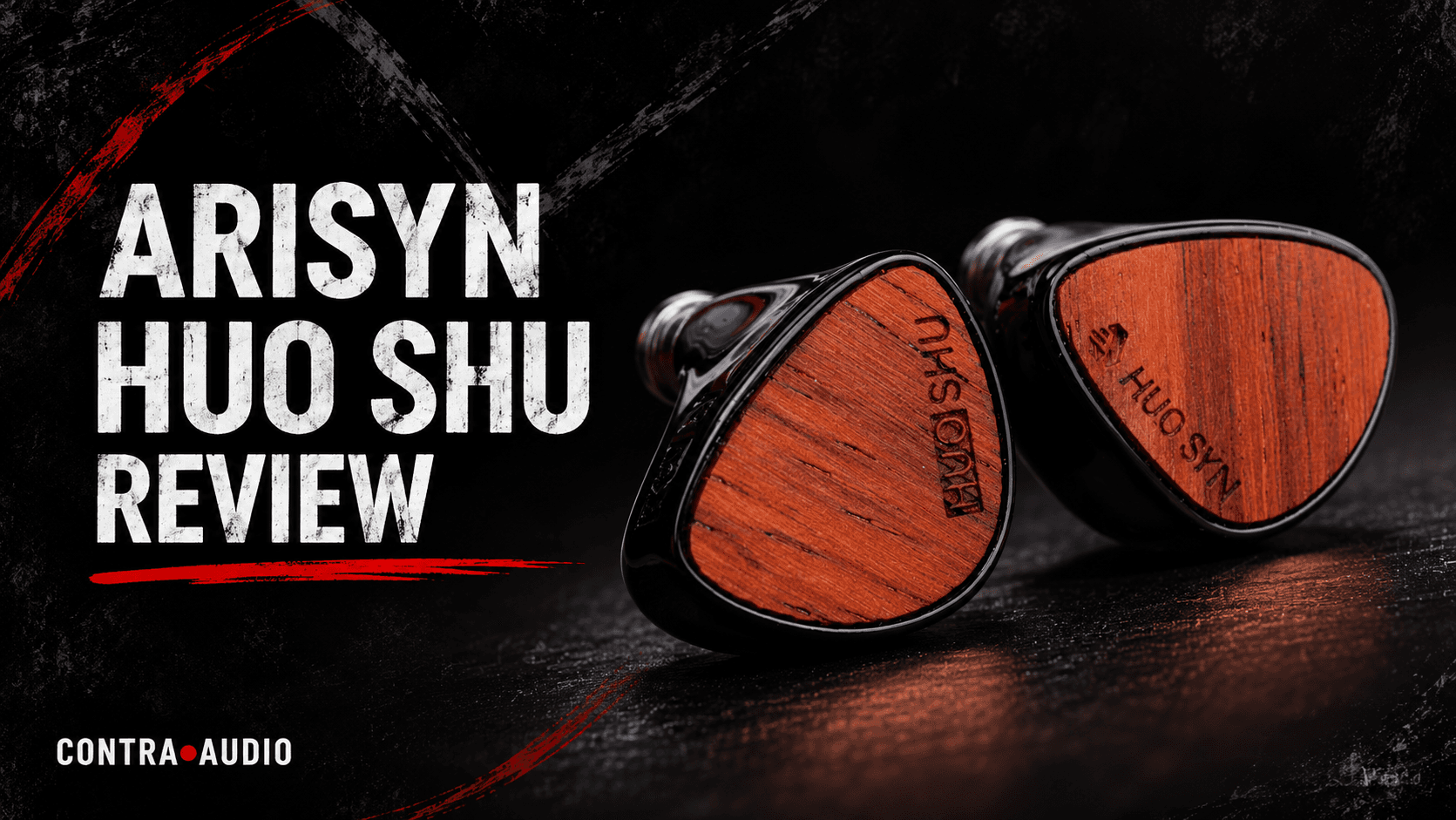
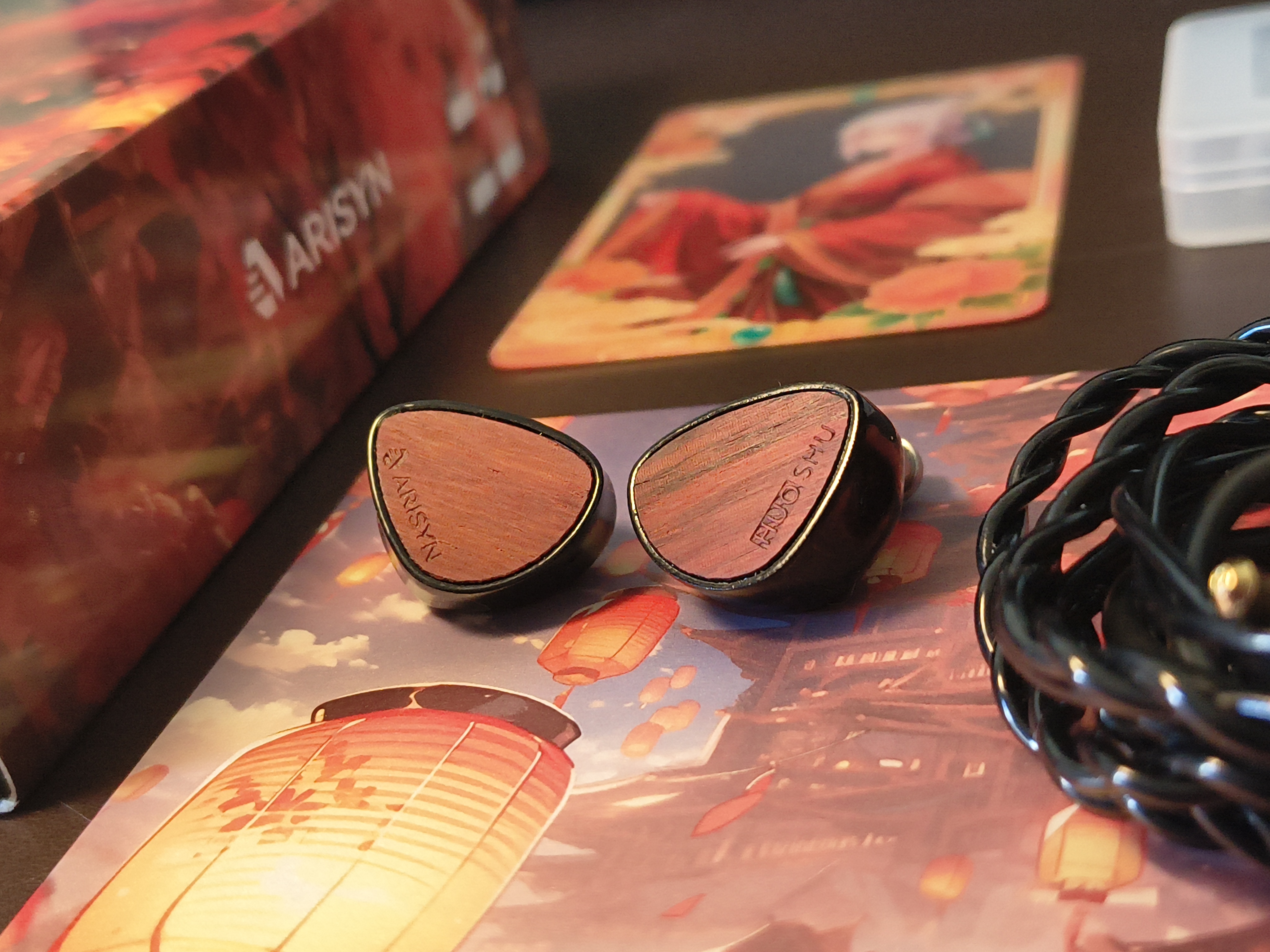
To answer the title: for me? Yes. After a month of testing and quite a bit of hesitation about saying it, the Huo Shu became my top recommendation in this price range. The UA Guangzhi used to hold that spot, and I wasn't looking for a replacement.
The thing is, the Huo Shu costs US$50 and frequently turns up for around R$250 in Brazil. I'm comparing it with a higher price bracket because that's how much it surprised me.
My Preferences
I like punchy bass, especially kick drums, good definition in dense music, and lively treble that doesn't turn metal into an endurance test. The Huo Shu gets a lot of that right, with soundstage and positioning I wasn't expecting at this price.
Fit and Ear Tips
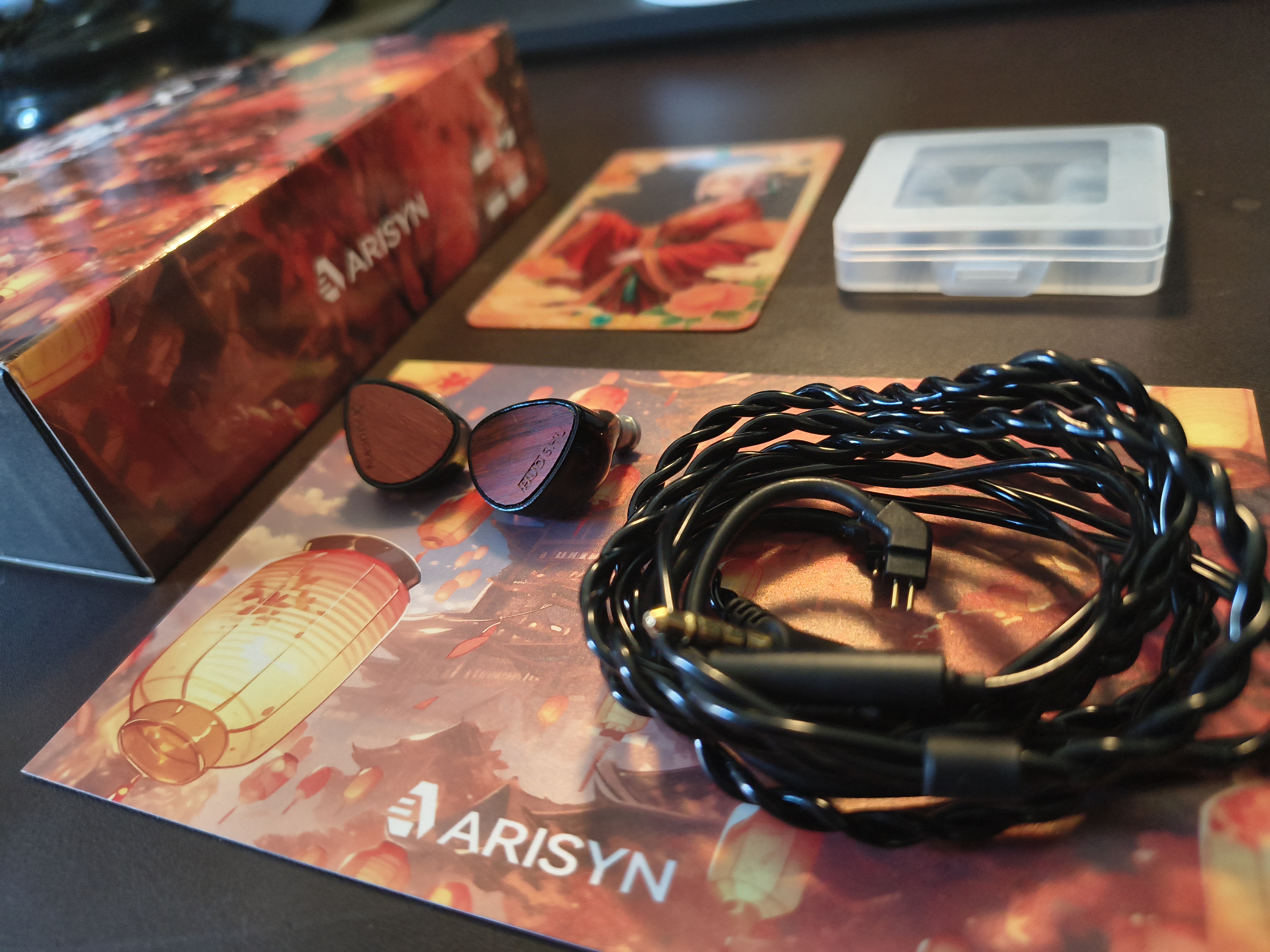
Small, light, and comfortable. I didn't have to fight with the shells to find a good fit.
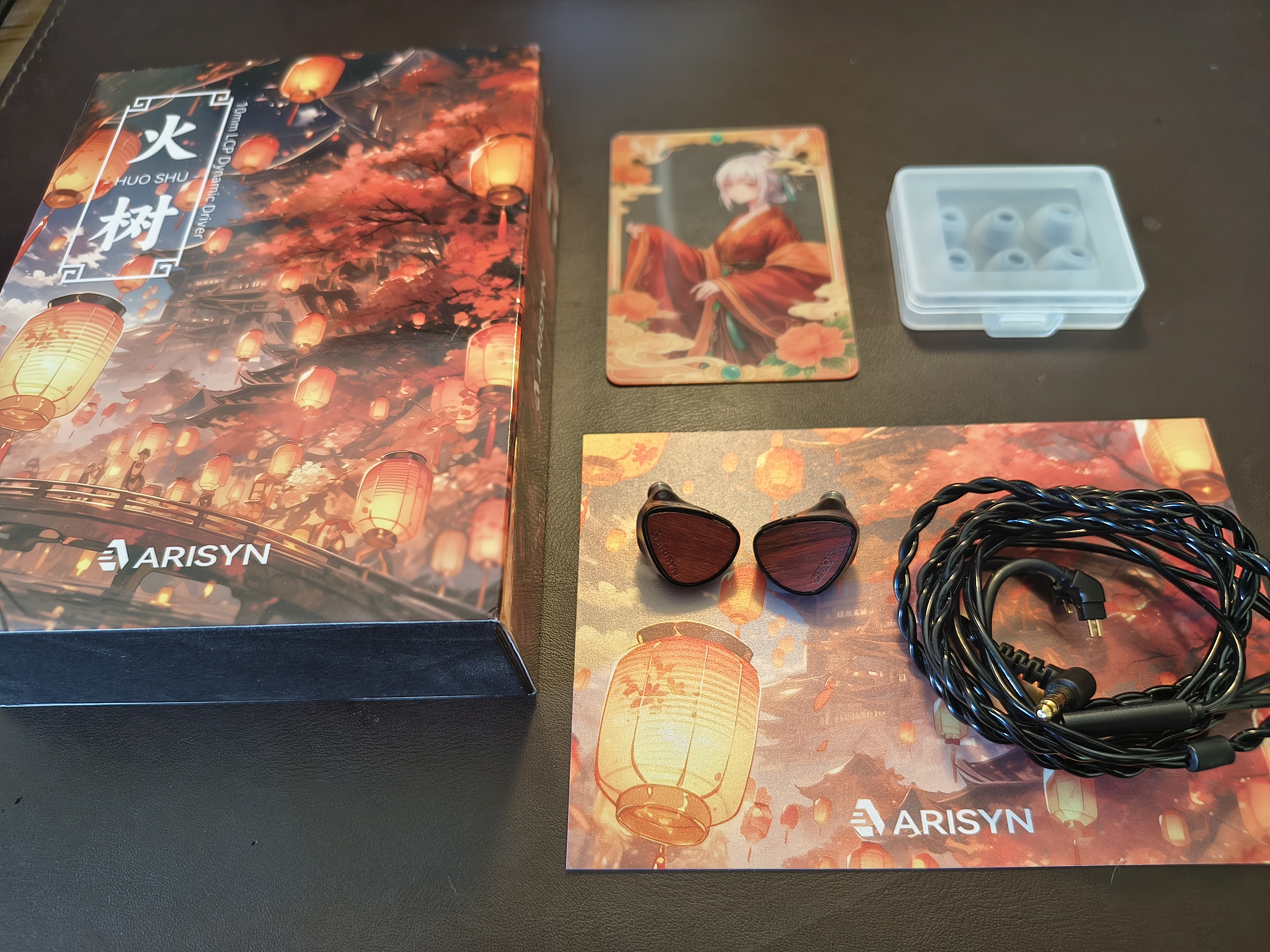
The stock tips are excellent and seem identical to the ones that came with my Letshuoer S12 Ultra, right down to the material. They're among the best pairings I've found for it, alongside the Infiter IE45. I'd happily start with the stock tips; I didn't feel the need to replace them to enjoy the IEM.
PERSONALLY, I regret getting the version with a microphone. The cable is more basic than the one included with the version without it, so there's my advice...
This Wasn't the Bass I Expected
I looked at the frequency-response graph and expected much less impact. Then I put them in and found myself wondering where all that bass was coming from.
The mid-bass hits firmly, has body, and is very well defined. I like being able to follow every drum hit without losing the weight behind it, and that's exactly what won me over here.
“Deus Subterrâneo” by Sangue de Bode is my extreme-noise stress test. It's a hell of a lot of information fighting for space, and that's exactly why I liked the Huo Shu so much: it didn't turn into a mess. I could follow the drums through all that density, with the kick retaining its impact. For the music I listen to, that counts for a lot.
The sub-bass is more restrained. There's rumble and texture, but anyone after subwoofer-like pressure will probably want more. The main attraction is the punch and definition of the mid-bass.
I'm not saying the measurement is wrong. It's just that the expectation I formed from looking at it was nothing like what I heard. It's ridiculous how much I enjoyed this bass.
Vocals and Instruments
Male vocals have body and a pleasant warmth without getting buried. Female vocals are more exposed, with texture and those little rough edges in the performance that I like hearing.
But it was with songs by Adrianne Lenker that it really hit me. I almost cried. The closeness of her voice, the texture of the acoustic guitar, the definition of the strings alongside the body of the notes… I thought it was beautiful. Hearing voice and guitar with that much clarity, without losing the intimacy, moved me in a way I wasn't expecting from an IEM at this price.
The acoustic guitar has presence and depth, rather than becoming a bunch of bright attacks next to the voice. And the voice retains its little imperfections, which makes everything feel very intimate.
“Crystal clear” is still a good way to describe what I hear. Instruments have body, I can follow the details easily, and I'm not bracing for the next cymbal to bother me. Some people might want more bite, but I really enjoyed this balance.
Soundstage and Imaging
Of all the earphones I've heard under R$500, none has impressed me this much with its combination of space and positioning.
In “Descending” by TOOL, I like following how the drums are arranged relative to the bass and guitar. With the Huo Shu, I can shift my attention between them and hear distinct positions, with plenty of width. As the track builds, I can still follow that organization.
Listening to TOOL like this is such a pleasure. I end up focusing on the drums, then the guitar, and before I know it, I've forgotten what I was doing.
This spatial presentation is one of the biggest reasons I'm so enthusiastic, especially because it comes with clarity without fatigue. With the amount of metal I listen to, that makes a real difference.
Comparisons
UA Guangzhi
The Guangzhi was my default recommendation, and soundstage was already one of the things I valued about it. That's why this change in preference means quite a lot to me.
These days, I'd take the Huo Shu for the complete package: space, positioning, defined bass, and vocals. I still recommend the Guangzhi, but the Arisyn comes even closer to what I'm looking for. It's what I'd choose now.
Truthear Pure
I appreciate the Pure's natural, balanced presentation, but it never excited me quite as much. Something was missing to really draw me in.
With the Huo Shu, that connection came much more easily. The bass is fun, the vocals get to me, and the space makes me want to keep exploring my music. That's where my preference comes from; I don't need to claim it beats the Pure in every technical category.
The Pure is included as a nearby reference, although its official price sits above the US$80 mentioned in the title.
So, Is It Really That Good?
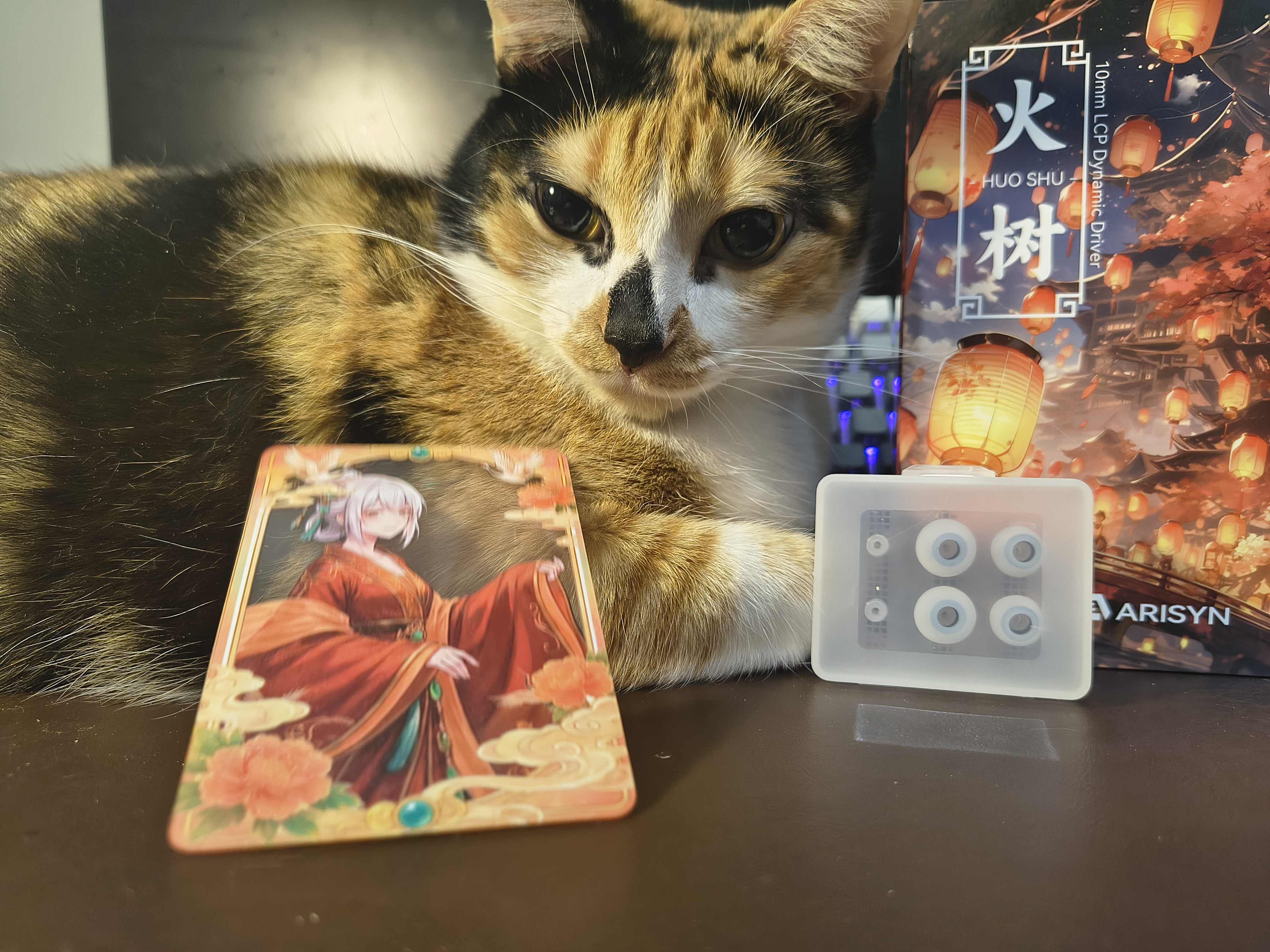
For me, yes. Anyone who prioritizes lots of sub-bass or a more aggressive signature will probably want something else. I found bass I really enjoyed, vocals that genuinely moved me, and a spatial presentation that became my reference in this price range.
I've been using it daily with my TRN Scallop (review coming soon!), and I often have those moments when I think I don't need anything more than this.
After a month, I no longer think it's just new-toy excitement. If someone asks me for a recommendation under US$80, the Huo Shu is the first name I'll mention.
And remembering that it costs US$50 is still the hardest part to believe.