A high-quality modular cable, Oracle ear tips, and a USB-C DSP with EQ, custom presets, and gaming profiles. All of that comes with a gorgeous, comfortable pair of IEMs whose sound I really enjoyed.
For around R$180. Honestly, I think that's ridiculous.
The Iris became my default recommendation in this price range because it's hard to look at the complete package and find something that gives you this much for the same money. I'm already using the tips on other IEMs. The cable is one of the product's highlights. And the app opens up possibilities that plenty of people probably don't even know exist when they buy it.
But I also really liked how it sounds. It's warm, fun, and incredibly easy to enjoy. Even with my strong preference for faster, more energetic IEMs, the Iris won me over without much effort.
Before I continue, a thank-you

This unit was a gift from Jin Goh, a Celest representative, at Roláudio SP, an event organized by Sonether (a huge thank-you for giving this review a home!). He was incredibly welcoming and brought dozens of the brand's high-end IEMs. Getting to experience so many interesting products and talk to someone behind them was fantastic.
Thank you to Celest, Jin, and Sonether for the unit and the warm welcome. My assessment remains independent and honest, including the things I like less about the Iris. Receiving the IEMs doesn't change that commitment.
My preferences and how I listened
I like punchy bass, especially kick drums, good definition in dense music, and lively treble without fatigue. I want body in voices and instruments, but I also like being able to follow each one within the music. Extreme metal, doom, math rock, and experimental music make up a large part of my listening.
I used the included Oracle tips and the Iris cable's USB-C connection as my source. That was the setup I used for this review.
The Oracle tips are extremely comfortable. I liked them so much that I've been using them on several other IEMs, which says a lot about how much of a success I think this accessory is.
The accessories are a huge part of the recommendation

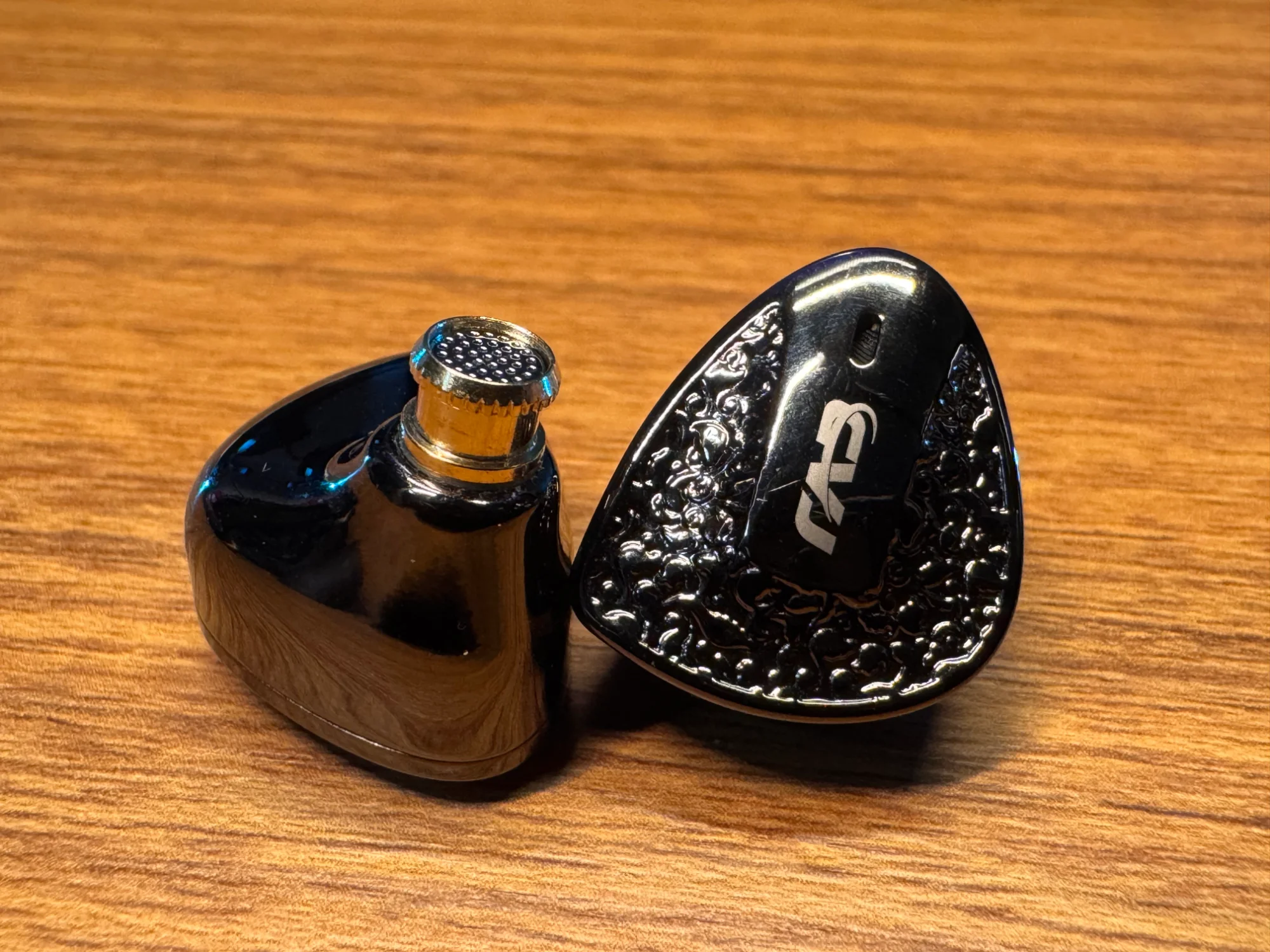
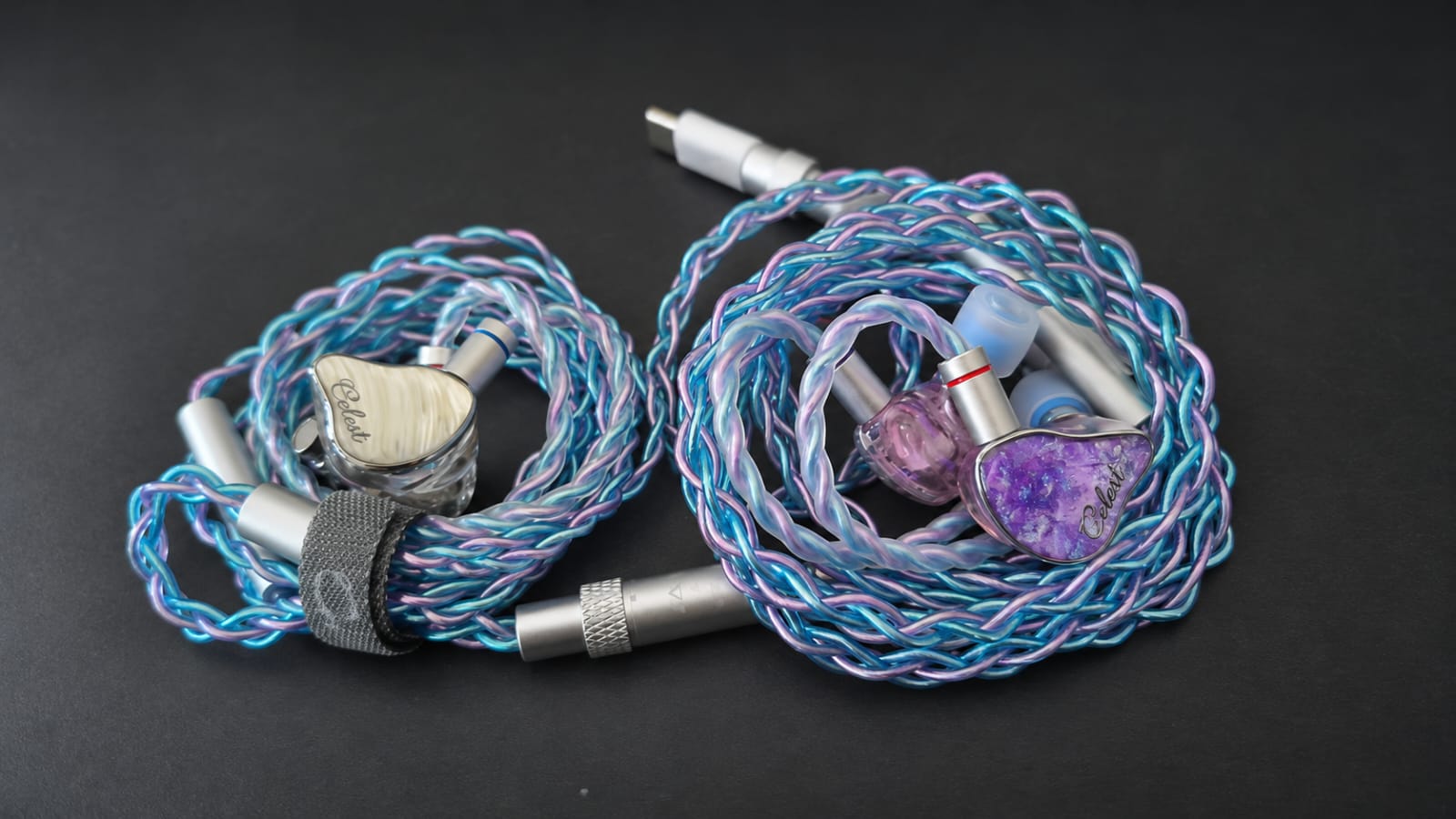
The purple Iris is gorgeous. I love the way light passes through the shell and changes the reflections on its finish. The cable matches the IEMs' colors, and together they look beautiful. I also found the fit comfortable, especially with the Oracle tips.
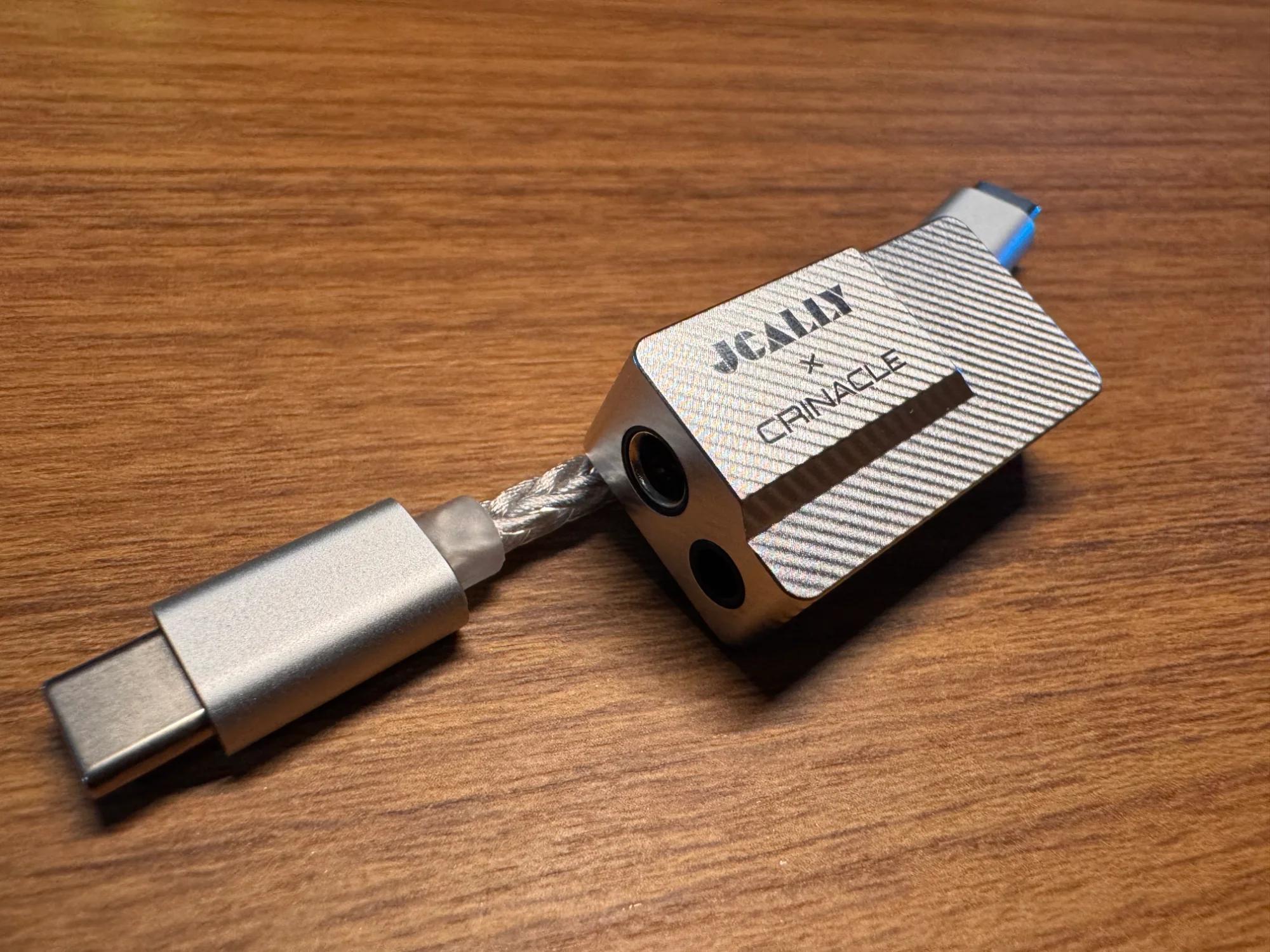
The cable is simply beautiful. It has a premium finish and interchangeable plugs, while the tips are good enough that I want to keep using them beyond the original package. It's easy to understand my enthusiasm when I remember that all of this comes with an IEM at this price.
There are packages with 3.5 mm and 4.4 mm plugs, and others with 3.5 mm and USB-C. Check which version you're choosing, because the USB-C option is the one that adds the DSP and app access. It also includes a microphone and inline controls.
For someone buying their first IEM, I find this package especially appealing. You already have a choice of tips, a nicely finished cable, and, if you choose the USB-C version, a way to connect the IEMs directly to a compatible device.
Then you plug in the USB-C and discover an app
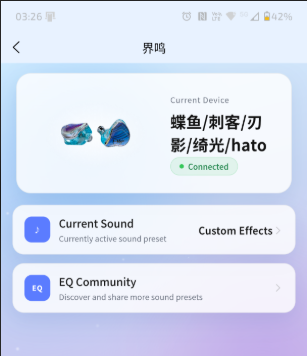
This is the part I don't think gets enough attention.
The Iris's USB-C DSP gives you access to the CVJ app, with manual EQ, official presets, community-shared settings, and gaming audio profiles.
There are five official presets, including bass, vocal, and treble boosts, plus 20 dedicated gaming profiles, including CS2, Valorant, Overwatch, and PUBG. The translation still needs work because several names appear in Chinese, but the options are there.

I also like the EQ community. You can try other people's settings and share your own. For someone starting to figure out their preferences, it could be an interesting way to discover what changes when you adjust each frequency region.
It's RIDICULOUS for an IEM at this price to offer so many possibilities. That's one reason I think the Iris is so far ahead in value for money.
A V-shape I feel right at home with
The Iris has a mild, warm V-shaped signature, with a healthy bass presence and more relaxed treble than that label might lead you to expect.
I really enjoy energetic IEMs. I like attack, clearly defined drums, and feeling the music come at me with some conviction. But I also like putting on an IEM and finding a presentation I enjoy without it constantly drawing attention to every little sound.
The Iris does that second kind of listening really well.
It has weight, vocals come through clearly, and there's enough sparkle to keep the music alive. Everything arrives a little more gently, with a sense of continuity between instruments. It's a sound that makes me feel comfortable listening to all sorts of things.
And that warmth doesn't sound like a lack of clarity to me. I can follow the music; the Iris simply puts less emphasis on defining each individual element.
Bass: I really like this fullness
The sub-bass has rumble and gives the music a satisfying foundation. The mid-bass adds impact and body, so the low end plays a big part in the Iris's personality.
What I enjoy most is the fullness. The hit has weight, and that weight remains part of the instrument after the initial impact. I like hearing drums with a real presence in the music, and the Iris gives me that satisfaction.
The hit feels rounder, and the attack comes across more softly. What I like most about the Iris's bass is its body.
When the drumming gets really fast, I find myself wanting a little more definition between hits. Their outlines become less distinct, especially when there's a lot happening at once.
But that doesn't sum up my experience with the bass. Outside those more demanding passages, I really enjoy the way it supports the music. There's rumble, there's impact, and there's an amount of warmth that makes a lot of sense for this kind of tuning.
Midrange: vocals stay within reach
One thing I liked about the Iris was never feeling like I had to go looking for the vocals.
The mids aren't the main focus of the tuning, but voices remain well integrated into the music. There's a pleasing balance between vocal presence and the weight of the surrounding instruments. The bass plays a substantial role without making the singer sound disconnected from the rest of the presentation or lost in the background.
There's room for improvement in finer textures and nuances. But I like the balance between clarity and body, and I think that's one reason it works well with so much music.
Treble: present, but in no rush to steal the spotlight
The treble complements the rest of the tuning very well.
It's present, lets details come through, and keeps the music clear without putting brightness ahead of everything else. My attention stays spread across the vocals, instruments, and low end.
I like how the Iris manages to sound warm without sounding dull. There's information up top; it just arrives more gently. That contributes a lot to the IEM's relaxed character.
For what I want from a more comfortable listen, this works really well. I don't find myself needing more treble to enjoy the music. The limitation has more to do with refinement and how readily nuances are revealed than with the amount of brightness itself.
Soundstage, separation, and what happens when the music gets busy
I liked the soundstage, including its sense of depth. The Iris gives the music some room rather than lining everything up directly in front of me.
But there's a difference between perceiving that space and being able to separate everything within it perfectly.
Separation and detail retrieval range from just okay to below average on the Iris. When the music gets busy, the outlines of the instruments become less distinct. I still hear the whole picture, but following a specific line through that density takes more attention.
With the Iris, the enjoyment comes more from the presentation as a whole. The body of the instruments, the bass filling out the music, and the calmer treble make for a combination I really like. On less dense tracks, the limitations in separation matter much less to my experience.
I don't need to pretend it's a technical benchmark to recommend it. It isn't. I still really enjoy what it does well.
Why it became my default recommendation
The Iris has a sound I really enjoy and limitations I can identify. I'd like more separation and refinement, especially in denser music. Even so, the tonal balance, body, and ease of listening appeal to me enough that I'm comfortable recommending it.
And then I remember everything else.
The Oracle tips are already on other IEMs I own. The modular cable is excellent. The finish is gorgeous. With the USB-C version, I also get access to EQ, presets, a community, and gaming audio profiles.
Among the packages I know in this price range, the Iris is far ahead in value for money.
The Iris is what I'd recommend to someone who wants a complete, versatile package that's enjoyable to listen to.
For around R$180, I really do think it's a steal.
A direct comparison with my other recommendation: 7HZ G1
A full comparison review of the two will come later, but it's worth sharing my preference here.
The G1 is closer to a Harman-inspired U-shape. It's drier, more energetic, and more agile, with more kick, better-defined attacks, and stronger separation and detail retrieval. When the drumming speeds up and the music gets complicated, I really like how easily I can follow everything on it.
The Iris has a mild, warm V-shape, with more softness and fullness. Notes aren't as distinctly outlined, but I like their body and the way the instruments come together. It feels more relaxed to me and, honestly, more fun with much of what I listen to outside the most extreme metal.
Both tunings emphasize the bass and upper frequencies, but they deliver very different experiences. That's why my recommendations are different too: the G1 is still THE IEM for metal under R$200 for me. The Iris is my general recommendation in that price range.